
What Is Deepfake Technology?
Engaging with others through videos has become a standard part of our everyday lives. Whether you are joining a video conference at work, scrolling through social media reels, or watching your favourite celebrity on Instagram, videos are everywhere. However, can you really trust what you are seeing? The rise of deepfake technology is making it increasingly difficult to distinguish what is real from what is fabricated, and the consequences for individuals and businesses alike are serious.
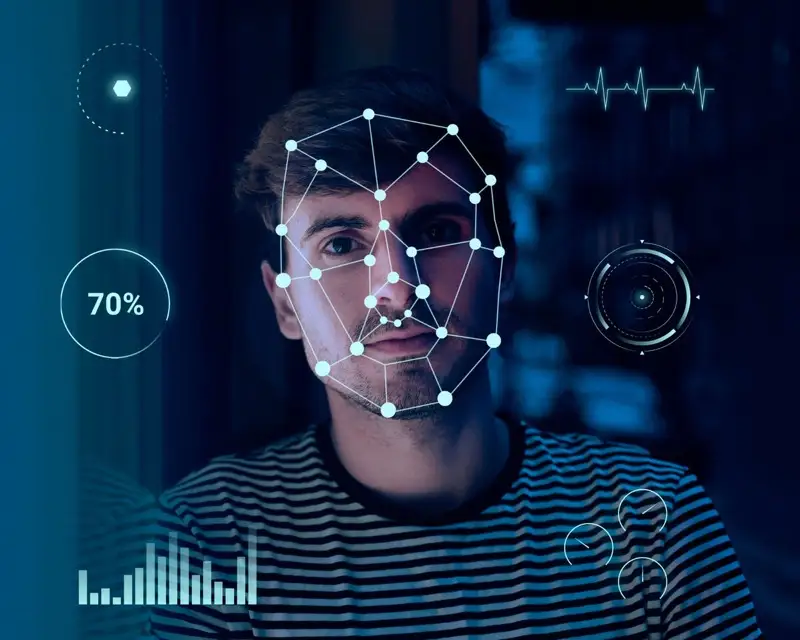
Deepfake technology uses artificial intelligence and machine learning to create hyper-realistic audio and video spoofs. These spoofs combine real footage of one person with the words or actions of another, producing content that can be almost indistinguishable from genuine recordings. While deepfake technology has existed for several years, recent advances have made it dramatically easier to use and far harder to recognise. Today, freely available mobile apps allow virtually anyone to swap faces, clone voices, and generate convincing fake videos within minutes.
The speed of this evolution is alarming. Early deepfakes were often grainy and unconvincing, with telltale glitches around the hairline or mouth. Modern versions, however, can replicate subtle facial expressions, natural blinking patterns, and even the way light reflects off skin. As the technology continues to improve, the line between authentic and fabricated content will only become thinner.
How Could Cybercriminals Use Deepfake Technology?
There are a growing number of ways that bad actors exploit deepfake capabilities, and the threat extends well beyond harmless entertainment.
Impersonating public figures: One of the most common uses is impersonating celebrities, politicians, and business leaders. Spoofing influential people can be used to spread disinformation, false endorsements of products, or fabricated statements designed to manipulate public opinion or stock prices. A single convincing deepfake video can go viral before fact-checkers have any chance to intervene.
Corporate fraud and social engineering: On a more targeted scale, cybercriminals are using deepfake technology to impersonate managers and executives within organisations. Imagine receiving a phone call from what sounds exactly like your managing director, asking you to urgently transfer funds to a new supplier account. In reality, it is a cybercriminal spoofing their voice with deepfake audio. Several high-profile cases have already resulted in losses of hundreds of thousands of pounds through this technique, sometimes referred to as "vishing" (voice phishing).
Identity theft and account takeover: Deepfakes can also be used to bypass identity verification systems that rely on video or voice confirmation. As more businesses adopt biometric authentication, this attack vector is becoming increasingly relevant. A convincing deepfake could potentially fool a bank's video verification process or a customer support agent conducting identity checks.
Reputational damage: Fabricated videos can be created to damage the reputation of individuals or competing businesses. For organisations that rely heavily on their online presence, a single deepfake scandal could erode years of brand trust. This is one reason why businesses should invest in professional digital marketing that includes reputation monitoring and rapid response capabilities.
What Can You Do to Stay Safe?
Protecting yourself and your organisation from deepfake threats requires a combination of healthy scepticism, verification habits, and technical awareness. Here are essential tips to keep in mind:
- Be suspicious of shocking or controversial content. If a video contains outrageous claims, inflammatory statements, or seems designed to provoke a strong emotional reaction, treat it with caution. This is often disinformation in action, and the more sensational the content, the more likely it is to have been manipulated.
- Always check the source. Before sharing or acting on a video, verify where it originated. If you are watching a celebrity or public figure, confirm it was posted on their verified profile or an official channel. Cross-reference the claims with trusted news sources before drawing conclusions.
- Verify before taking action. If you receive an unexpected call, voice message, or video from a colleague, manager, or business partner asking for sensitive information or financial transactions, verify through a separate channel. Call them back on a known number, request an in-person meeting, or use your organisation's established approval processes.
- Look for visual and audio clues. While deepfakes are improving, many still contain subtle flaws. Watch for unnatural blinking, inconsistent lighting, audio that does not quite sync with lip movements, or strange artefacts around the edges of a face. These can be indicators that a video has been manipulated.
- Keep your software and systems updated. Cybersecurity tools are evolving to detect deepfakes, and keeping your systems current ensures you have the latest protections. Businesses should consider working with an IT consulting partner to develop comprehensive security policies that address emerging threats like deepfakes.
- Educate your team. Awareness is your first line of defence. Conduct regular training sessions so that employees at every level understand what deepfakes are, how they might encounter them, and what steps to take when something seems suspicious.
Protecting Your Business Online
Beyond individual vigilance, businesses need to think strategically about their digital security posture. Deepfake threats sit alongside phishing, ransomware, and data breaches as part of a broader cybersecurity landscape that every organisation must navigate. Ensuring your website and digital assets are properly secured with SSL certificates and robust authentication measures is a foundational step in building trust with your customers and protecting your business from impersonation attacks.
It is also worth considering how your brand's online presence could be exploited. If your business lacks a consistent, professionally managed digital identity, it becomes easier for bad actors to create convincing fakes. Investing in a strong, recognisable brand presence, backed by proper security measures, makes it harder for deepfakes to succeed and easier for your audience to spot imitations.
Stop, look, and think. Don't be fooled by the scammers. In an age where seeing is no longer believing, a cautious and informed approach is your best defence against deepfake technology.