
The Evolving Threat Landscape Facing Ghanaian Businesses
Phishing is no longer the crude, poorly written email asking you to claim an inheritance from a distant relative. In 2027, phishing attacks targeting Ghanaian businesses have become sophisticated, localised, and alarmingly effective. Cybercriminals are now crafting attacks that exploit Ghana-specific payment systems, mimic trusted local institutions, and leverage the rapid digitisation of Ghanaian commerce to steal money, credentials, and sensitive business data.
The numbers paint a stark picture. Ghana's Cyber Security Authority (CSA) has reported a steady increase in cybercrime incidents year over year, with phishing consistently ranking as the most common attack vector. Small and medium-sized businesses are disproportionately targeted because they often lack dedicated IT security teams and rely on basic email setups without advanced filtering. If your business handles money, customer data, or online transactions — and in 2027, virtually every business does — understanding current phishing trends is not optional.
This article examines the specific phishing tactics currently targeting Ghanaian businesses, how to recognise them, and what practical steps you can take to protect your organisation.
Mobile Money Scams: Ghana's Unique Phishing Threat
Mobile money has revolutionised commerce in Ghana. With over 20 million active mobile money accounts and transaction volumes exceeding billions of cedis monthly, MoMo has become the lifeblood of Ghanaian business. Cybercriminals know this, and they have developed increasingly convincing phishing schemes that exploit the trust Ghanaians place in mobile money platforms.
The Fake MoMo Reversal Scam
This remains one of the most prevalent phishing tactics in Ghana. The attacker sends a fake transaction notification — often via SMS or WhatsApp — claiming that money was accidentally sent to your business number. They then call or message, requesting that you "reverse" the payment by sending money to a specific number. The original notification was completely fabricated, but the money you send is very real.
In 2027, these scams have evolved to include fake USSD prompts that closely mimic the genuine MTN MoMo, AirtelTigo Money, or Telecel Cash interfaces. Some attackers even generate convincing transaction confirmation screenshots using editing tools.
Fake Payment Confirmation Emails
As more Ghanaian businesses adopt online payment systems, attackers are sending fake payment confirmation emails that appear to come from legitimate payment gateways. These emails claim that a customer has made a payment and include a link to "view transaction details." Clicking the link leads to a credential harvesting page designed to steal your payment portal login credentials.
How to Protect Against MoMo Phishing
- Always verify transactions directly through the official USSD code or mobile money app — never trust SMS or WhatsApp notifications alone
- Train all staff who handle mobile money to check their actual balance before processing any reversal request
- Never click links in payment notification emails — log into your payment dashboard directly by typing the URL
- Enable transaction alerts on your actual mobile money account so you can compare real notifications against fake ones
Fake Bank and Financial Institution Emails
Ghanaian businesses regularly interact with banks for transactions, loans, and account management. Attackers exploit this relationship by sending phishing emails that impersonate major Ghanaian banks — GCB Bank, Ecobank, Stanbic, Fidelity, CalBank, and others.
Common Tactics
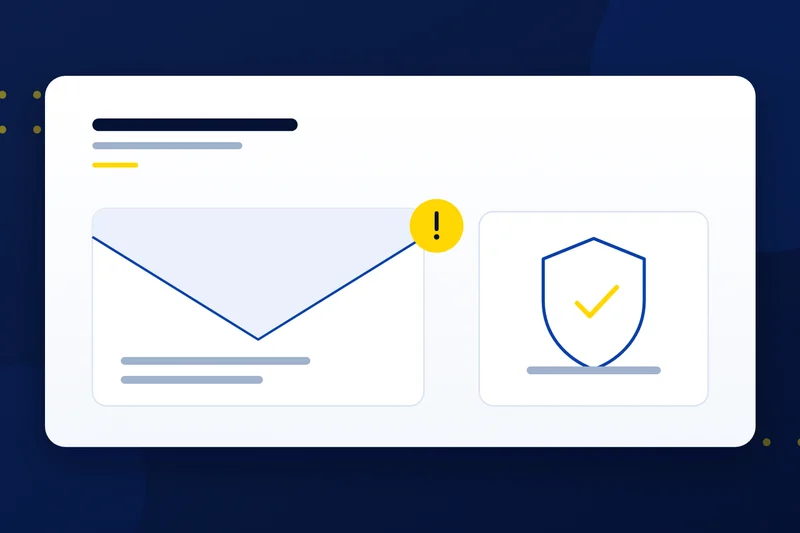
These emails typically claim that your business account has been flagged for suspicious activity, that you need to verify your account details to avoid suspension, or that a new regulatory requirement demands you update your information through a provided link. The emails often include the bank's logo, use formal language, and may even reference real regulatory bodies like the Bank of Ghana.
In 2027, attackers are using AI tools to generate these emails, making the language more polished and the formatting more professional than ever before. Some phishing emails now include personalised details — your business name, partial account numbers, or references to recent transactions — gleaned from data breaches or social media reconnaissance.
Red Flags to Watch For
- Sender address mismatches. The email might display "GCB Bank" as the sender name, but the actual email address is something like gcb-alerts@mail-secure.com rather than a genuine @gcb.com.gh address. Always check the full sender address.
- Urgent language. Phrases like "immediate action required," "your account will be suspended within 24 hours," or "failure to comply will result in account closure" are classic pressure tactics designed to make you act before you think.
- Links that do not match. Hover over (or long-press on mobile) any link before clicking. If the URL does not match the bank's official website, do not click it.
- Requests for sensitive information. No legitimate bank will ask you to provide your full password, PIN, or OTP via email.
CEO Fraud and Business Email Compromise (BEC)
This is arguably the most financially devastating phishing tactic affecting Ghanaian businesses in 2027. Business Email Compromise, commonly known as CEO fraud, targets businesses by impersonating company executives or trusted partners to authorise fraudulent payments.
How It Works
The attacker researches your company — often using LinkedIn, your company website, and social media — to identify key personnel: the CEO, managing director, finance officer, or accountant. They then either compromise an executive's email account directly or create a near-identical spoofed email address (e.g., ceo@yourcompany.com becomes ceo@yourcompamy.com — notice the subtle misspelling).
From this address, they send an urgent request to the finance team to make a payment, often claiming it is for a confidential deal, an urgent supplier payment, or a time-sensitive opportunity. The email typically insists on urgency and secrecy: "Please process this transfer immediately. I am in a meeting and cannot discuss it now."
Why It Is Effective in Ghana
Ghanaian business culture tends to be hierarchical. When an instruction appears to come from the CEO or managing director, employees — especially junior staff — are often reluctant to question it. This cultural dynamic makes BEC attacks particularly effective in Ghanaian organisations. Additionally, many small businesses still rely on personal email accounts (Gmail, Yahoo) for business communication, which lack the security features of properly configured business email on a custom domain.
Prevention Strategies
- Establish payment verification protocols. Any payment request above a certain threshold should require verbal confirmation from the requester via a known phone number — not a number provided in the email.
- Use business email on your own domain. A professional email address (you@yourbusiness.com) is far more secure than free email providers and allows you to implement advanced security features. Learn how to set up a professional business email on your domain.
- Enable multi-factor authentication (MFA) on all email accounts, especially those of executives and finance staff.
- Train staff to verify. Create a culture where questioning unusual requests is encouraged, not punished — regardless of who the request appears to come from.
Phishing Through Social Media and Messaging Apps
WhatsApp is the dominant business communication tool in Ghana, and attackers have taken notice. WhatsApp phishing — sometimes called "whishing" — involves sending messages that appear to come from legitimate organisations, offering fake promotions, job opportunities, or government notifications.
In 2027, these attacks have become more targeted. Attackers join WhatsApp business groups, observe conversations to understand the group's context, and then send phishing messages that feel relevant and trustworthy. They might impersonate a group admin, share a "document" that is actually a malware link, or offer a "special discount" that leads to a credential harvesting page.
Similarly, LinkedIn phishing targeting Ghanaian professionals has increased. Fake job offers, connection requests from spoofed profiles, and messages containing malicious links are all common tactics. The professional context of LinkedIn makes people more likely to trust and click links from apparent colleagues or recruiters.
Building a Phishing-Resistant Organisation
Technology alone cannot prevent phishing — your people are both your greatest vulnerability and your strongest defence. Here is how to build organisational resilience.
Regular Employee Training
Conduct phishing awareness training at least quarterly. Use real examples of phishing attempts that have targeted Ghanaian businesses to make the training relevant and engaging. Test your staff with simulated phishing emails and use the results as learning opportunities, not punishment.
Implement Technical Safeguards
- Email authentication protocols. Configure SPF, DKIM, and DMARC records for your domain to prevent attackers from spoofing your email address. These are DNS-level settings that your hosting provider or IT team can implement.
- Web filtering. Use DNS-level filtering to block access to known phishing sites. Services like Cloudflare's 1.1.1.1 for Families or Quad9 are free and effective.
- SSL certificates. Ensure your own website uses SSL encryption — it protects your customers and trains them to look for the padlock icon. Faciotech provides SSL certificates for businesses of all sizes.
- Keep software updated. Outdated browsers, email clients, and operating systems are more vulnerable to phishing exploits.
Establish Clear Reporting Procedures
Make it easy and safe for employees to report suspected phishing attempts. Create a dedicated email address (e.g., security@yourcompany.com) or WhatsApp group where staff can forward suspicious messages. The faster a phishing attempt is reported, the faster you can warn the rest of the organisation.
What to Do If You Fall Victim
Despite best efforts, phishing attacks sometimes succeed. If your business is compromised, speed is critical.
- Immediately change all compromised passwords and enable MFA on affected accounts
- Contact your bank if financial credentials were exposed — they may be able to freeze fraudulent transactions
- Report to the Cyber Security Authority at csa.gov.gh and file a report with the Ghana Police Service's cybercrime unit
- Notify affected customers or partners if their data may have been compromised — transparency builds trust even in difficult situations
- Conduct a post-incident review to understand how the attack succeeded and close the gap
For a comprehensive overview of cybersecurity measures your business should have in place, our cybersecurity guide for Ghanaian businesses covers everything from basic hygiene to advanced protection strategies.
The Cost of Complacency
Many Ghanaian business owners still believe they are too small to be targeted. This is precisely the mindset that attackers exploit. Small businesses are targeted specifically because they tend to have weaker security, less employee training, and fewer resources to detect and respond to attacks.
The cost of a successful phishing attack goes beyond the immediate financial loss. There is the disruption to your operations, the damage to your reputation, the potential legal liability if customer data is compromised, and the psychological toll on the staff member who was deceived.
Investing in cybersecurity — whether through employee training, proper email infrastructure, or partnering with an IT solutions provider — is not an expense. It is insurance against threats that are growing more sophisticated every day. In 2027's digital landscape, the question is not whether your Ghanaian business will be targeted by phishing. The question is whether you will be ready when it happens.